BUYER’S GUIDE
Ferrari 275 GTB/GTS review
A huge technical leap forward, for many fans the 275 GTB represents peak ‘60s Ferrari style and performance

Engine
3.3-litre V12, petrol
Power
221kW (300PS) @ 8,000rpm
Torque
N/A
Kerb weight
1,100kg (dry)
0-62mph
N/A
What Is It?
Ferraris of the early 1960s were fast, beautiful and blessed with incredible engines, but their solid rear axles and drum brakes were looking increasingly outdated against rivals. The 275 answered this in some style, sticking with the fabulous Colombo V12 but combining it with all-independent suspension, disc brakes and a transaxle-mounted five-speed gearbox for perfect weight distribution.
In short, this was the car to put Ferrari back in the game against the likes of Aston Martin, Lamborghini, Maserati, Jaguar and the other competitors both in the showroom and on the racetrack. Stunning to look at, fabulous to drive and blessed with a weighty competition pedigree to boot, it’s little wonder it is held in such regard, the range including race-ready Competizione models, the GTS convertible and later GTB/4 quad-cam.
Corrosive Areas

Tubular steel frame, especially around body and suspension mounts

Floors and sills on steel-bodied cars

Door hinges and fixtures
Checklist
- Launched in 1964, the 275 GTB evolved through original Series I ‘short-nose’, through Series II ‘long-nose’ and into its final GTB/4 quad-cam form
- Small numbers of privateer-friendly Competizione Clienti cars were built in the first two series, this evolving into the full standalone Competizione with more extensive racing modifications
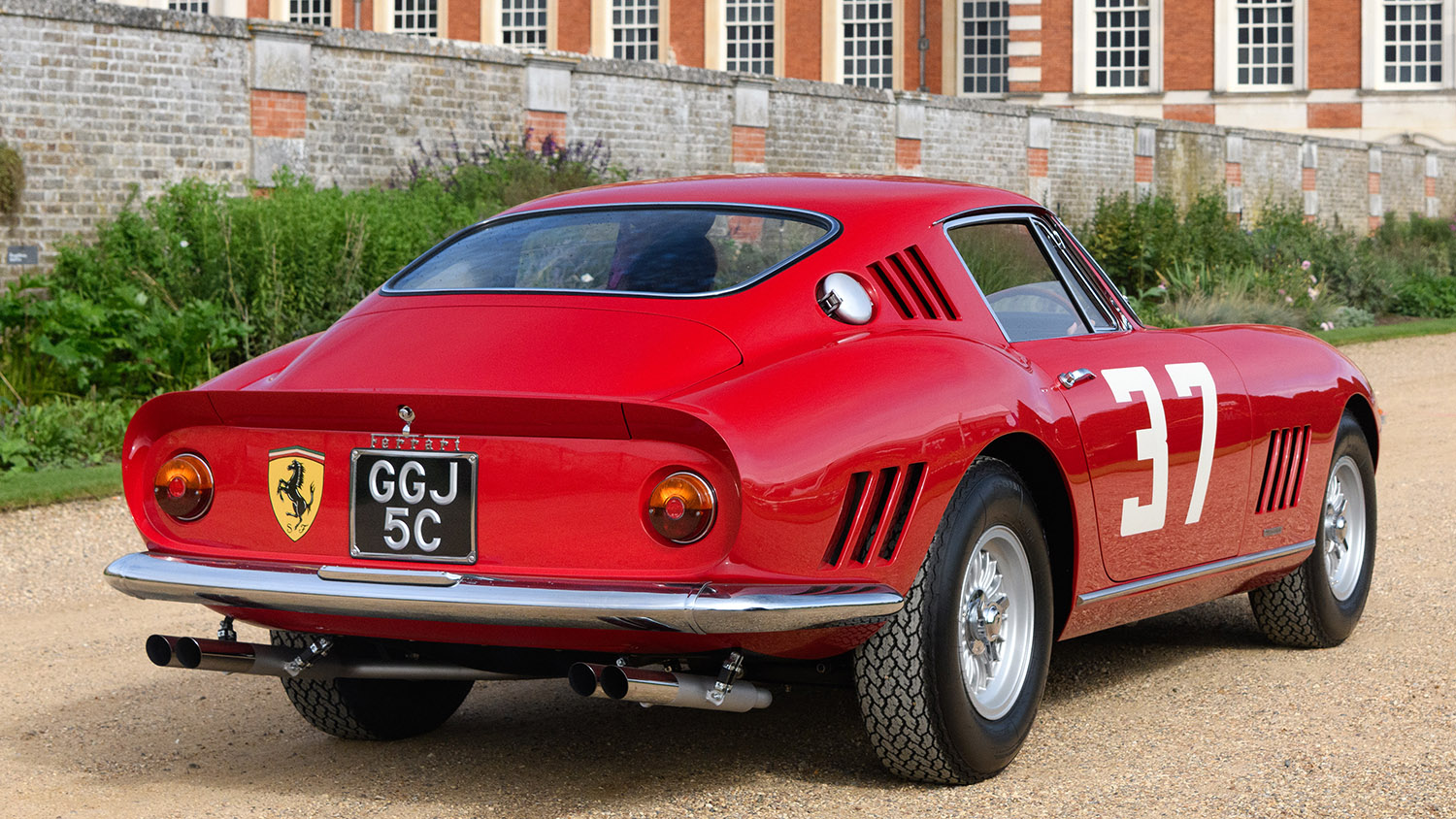
- While details can differ, Competizione models obvious for the high-level fuel filler, aluminium bodies and (on some) GTO-style vents on rear wings
- If paying over the odds for a Competizione model, make sure it’ s the real thing and not a later conversion of a regular model
- Short-nose cars have an obvious bonnet bulge while long-noses have flat bonnets, a bigger rear screen and external boot hinges — the Ferrari script also moved from above the numberplate to the top of the bootlid
- GTB/4 based on the long-nose car, a strip-like central bonnet bulge the most obvious aesthetic change
- Most 275 GTBs use steel bodies with aluminium panels but some had full alloy bodies — these can be identified by the obvious seams where the roof attaches to the A- and C-pillars and the longer rain gutter
- Ferrari offered regular 275 GTBs in triple and six-carb set-ups; the latter is more powerful and desirable but trickier to keep sweet
- Alloy wheels of various designs were standard but Borrani wires are a popular switch
- Models without the later torque-tube arrangement (this includes all GTS convertibles) can suffer transmission issues due to misalignment between the engine and rear-mounted gearbox
- Most cars will have been restored at some point — make sure any recent work has been done to the appropriate standard and is fully documented with a respected specialist
- Ferrari Classiche certification demands exacting standards and original parts so can prove costly, but adds value for owners and reassurance for buyers
How does it drive?
Thankfully at least as good as it looks! The ‘50s foundations of the stunning 250 series were well-proven but even Ferrari had to move with the times. The switch to independent suspension, disc brakes and a five-speed gearbox all make the 275 far more usable than what went before. True, the steering still isn’t rack-and-pinion, but in all other respects the 275 is the first properly modern Ferrari grand tourer, the 50/50 weight distribution with the rear-mounted gearbox helping it feel as balanced and exploitable as it is fast.
Still a physical driving experience, the non-assisted steering and open-gated shifter demand decisive inputs, and patience is required as you wait for the fluids to warm up before really going for it. Aficionados covet GTB/4 quad-cams and six-carb models for their extra performance but a ‘bog standard’ 275 still has the looks, speed and sound to deliver the full ‘60s Ferrari experience.
What’s good?
Style and performance are all absolutely up there by mid-60s standards, and if perhaps not quite as voluptuous as the earlier 250s or as muscular as a Daytona, the 275 is a nice mid-way point between the two in looks and spirit. And rightly celebrated as such. A rich competition history in the hands of privateers and factory drivers alike adds to the allure, a third overall and first in class at Le Mans in 1965 amongst the 275 GTB’s many accolades in ‘60s GT racing.
Whether you opt for the trad grand tourer vibe of the standard car or the racier delights of the more stripped-back Competizione variants, all share the same bloodline. While it may be one step removed from all that the open-top GTS offers, much of the same spirit with a dose more glamour and equally gorgeous looks.
What’s bad?
The 275 GTB was the first Ferrari road car to use a transaxle layout, and even the official history admits this made it “difficult to maintain alignment” between the engine up front and gearbox at the rear on earlier cars and GTS convertibles. This was addressed in later versions of the ‘long-nose’ coupés and the GTB/4 with the switch to a rigid torque tube linking the engine and gearbox for improved durability and drivetrain rigidity.
Beyond that, the issues confronting any potential buyer (beyond entry price) will be the same as those facing any big league collectable car of this nature, the hard lives many will have led over the decades, restorations of varying quality and value placed in originality lay plenty of traps for those buying with heart rather than head. With that in mind, due diligence on the history of any prospective purchase will be essential, especially if you’re paying over the odds for something presenting as a Competizione or otherwise rare or special.
Which model to choose?
If money is no object and you crave ultimate bragging rights on the concours lawn it’s going to have to be a Competizione of some description, an aluminium-bodied ‘regular’ car or, at the very least, a six-carb GTB to pass muster. Extra scarcity points if it’s a rare and original right-hand drive version. Quad-cam GTB/4s are also much admired for the increased performance and will carry a hefty premium. With all that in mind, and that any 275 GTB is going to turn heads for the right reasons, there’s no shame in opting for the relatively less collectable ‘regular’ versions and simply enjoying it for what it is. Which is to say peak ‘60s Ferrari!
Specifications – Ferrari 275 GTB/4
Engine
3.3-litre V12, petrol
Power
221kW (300PS) @ 8,000rpm
Torque
N/A
Transmission
Five-speed manual, rear-wheel drive
Kerb weight
1,100kg (dry)
0-62mph
N/A
Top speed
166mph
Production dates
1965-1966