BUYER’S GUIDE
Maserati Ghibli review
Sleek late 60s Italian cool embodied in Maserati’s gorgeous, V8-powered GT and Spyder.

Engine
4.7-litre V8 petrol
Power
330PS (242kW) @ 5,000rpm
Torque
441Nm (325lb ft) @ 4,000rpm
Kerb weight
c. 1,350kg
0-62mph
c. 7.5 seconds
What Is It?
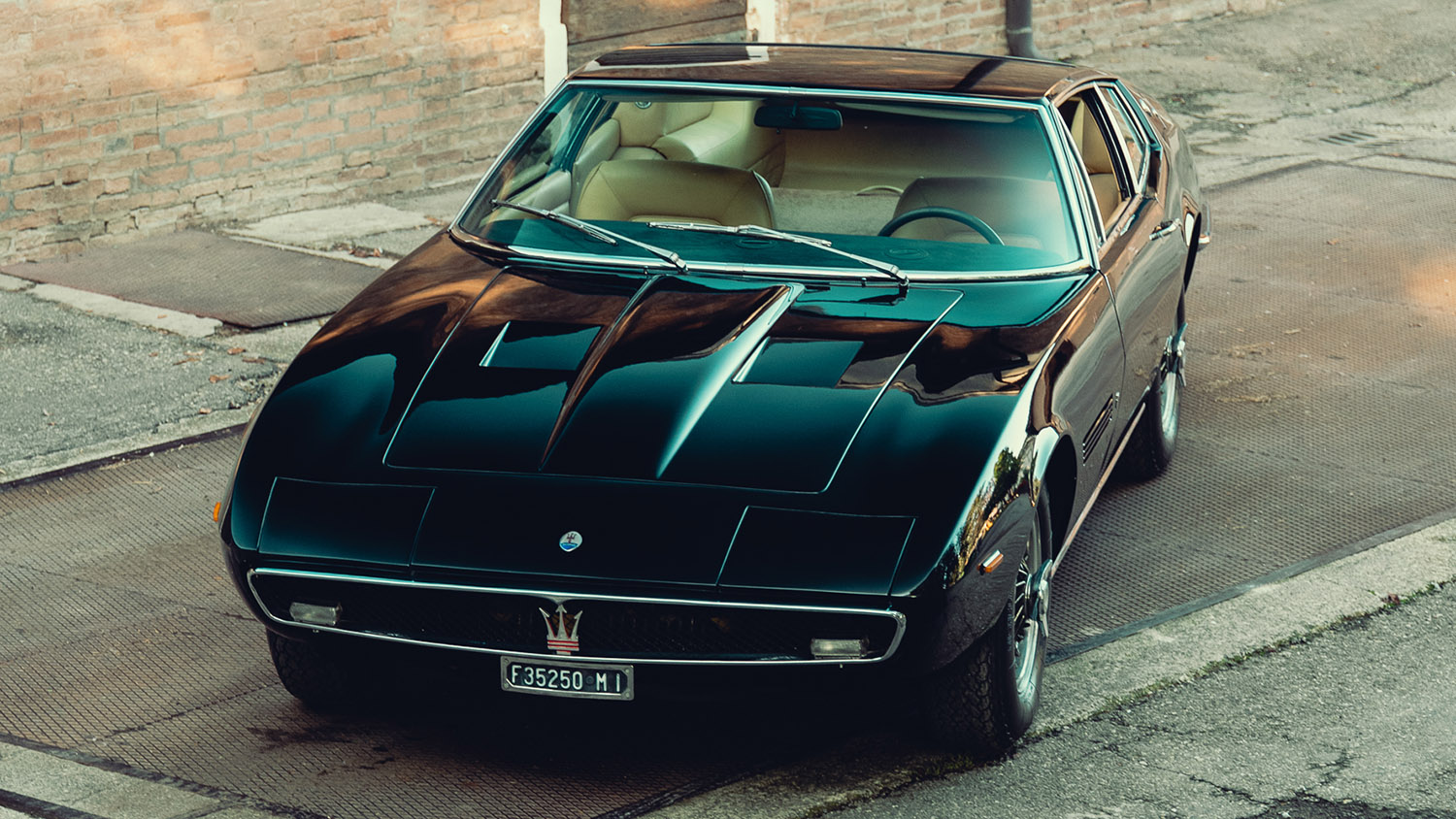
The thinking classic owner’s alternative to the likes of a Ferrari 365 GTB/4 Daytona or Aston Martin DBS V8, the Maserati Ghibli combines gorgeous, Giugiaro-styled looks with an exotic quad-cam V8 for a perfect balance of relaxed cruising and high-speed thrills. First seen in 1966 and built from 1967 onwards, the Ghibli was fast, luxurious and stylish in its day, the pop-up headlights giving it a sleek, exotic appearance the equal of any contemporary rival.
The SS with a bigger 4.9-litre engine and open-top Spyder then joined the range, production lasting until 1973. A lack of appreciation saw values drop dramatically for a period but recognition of the Ghibli’s style and sophistication now commands big money, especially for the rare Spyder versions.
Corrosive Areas

Sills

Boot floor and rear valance

Wings
Checklist
- The Ghibli was built as a heavyweight sporting GT more than a lightweight sporting coupe, the Ghia-built steel body welded to a sturdy tubular chassis
- The 4.7-litre quad-cam V8 used dry sump lubrication to preserve the sleek lines, the claimed output of 330PS (242kW) and 170mph+ top speed best described as optimistic
- While fitted with modern tech like a fully-synchronised five-speed gearbox and disc brakes the chassis was relatively traditional, with a leaf-sprung, live axle rear
- Updates came throughout the Ghibli’s life but are generally split into early-, mid- and late-production phases
- Early cars can be identified by their knock-off wheel hubs, ‘clean’ bumpers, blanked secondary sparkplug mounts, toggle switches and Smith dials – some early cars also had an unusual double-caliper front brake arrangement which can be troublesome to set up
- Mid-production cars gained Veglia dials, rocker style switches, rounded edges to headlight covers and bolt-on wheels, often alloys rather than earlier wires; slim bumper over-riders were also added
- Later cars have bigger indicators, rubber inserts in the over-riders (larger on US-market models) and other detail changes
- Power steering optional from the start and appeared on increasing numbers of cars over the Ghibli’s life; some owners have had the system added later in the car’s life
- Quad-exhausts a popular upgrade but the standard system has paired single-sided arrangement
- Three-speed automatic an option but not well-liked by modern drivers
- Spyder built in small numbers and highly prized – beware conversions from coupes and check provenance before paying the premium; reinforced double-skinned floor is one important ‘tell’ of an original
- Super Sport – or SS – gained increased displacement 4.9-litre engine with improved torque, though some prefer the character of the 4.7
- Welded-on body and lack of anti-corrosion protection when built creates numerous rust traps and can complicate repairs or restoration
- Low historic values may have seen Ghiblis in the hands of previous owners not willing to invest in proper bodywork repairs or upkeep – check for filler, bodged fixes and similar
How does it drive?
For all its dry-sumped, quad-cam credentials the Maserati’s 4.7-litre V8 is more torquey than revvy, suiting the Ghibli’s mature fast GT vibe. It’s still a proper Italian motor, mind, and more exotic than the American V8s used by the likes of Jensen or De Tomaso. And when paired with the dog-leg five-speed manual delivers strong, stirring performance paired with solid handling and dependable disc brakes.
The non-assisted steering and heavy clutch can make low-speed driving a work-out, the optional ZF power steering popular in period and as a retrofit given it improves usability without diluting the handling. The three-speed automatic is less popular, and leaves the Ghibli as more cruiser than bruiser. In summary, a well-sorted example with a manual transmission more than delivers on the promise of the looks, and makes for a more exotic alternative to a comparable Aston Martin DBS.
What’s good?
Even by the high standards of the period the Ghibli is a breathtakingly beautiful car, the sleek fastback looks very much of their day yet also timeless in their proportions and detailing. If perhaps not as fast or exotic as V12 powered rivals like the Ferrari 365GTB/4 Daytona or Lamborghini 350 GT the Ghibli stands comparison in their company and, as a brand, Maserati has a sense of cool about it that has stood the test of time.
The V8 is the real deal as well, the combination of luxury and long-legged performance as appealing now as it was when the car was new. It’s testament to the strength of the design that it looks as just as good as a Spyder as it does a coupe, the fact just 125 open versions were made adding to their allure. And value. In either form the Ghibli is late 60s Italian cool personified. Just make sure your wardrobe is sharp enough to match!
What’s bad?
Perhaps under-appreciated compared with some of its contemporaries, for a while Ghibli values were very low for a car of this breeding. Great news for bargain hunters at the time, the bad news being many survived on a relative shoestring for the fact they weren’t worth pouring money into.
Which can leave a legacy of bodged repairs, poor quality restorations and neglected mechanical parts, all of which can bite you hard if you buy with your heart rather than your head. Lack of use can also be a killer, meaning shiny paint and low mileages could in fact be hiding expensive horrors. The values of Spyders could also encourage the less scrupulous to pass off converted coupes as the real thing. Very much buyer beware.
Which model to choose?
While aficionados argue the relative merits of the standard 4.7 and 4.9-litre SS version the performance gains for the bigger engine may not be worth the extra money, unless you crave the bragging rights. Better to spend your time hunting out a car with documented history and provenance you can trust, especially when it comes to evidence of previous restorations and body repairs. Spyders have an obvious attraction but cost multiples of a coupe in equivalent condition. Condition aside the only real deal-breaker would really be the three-speed auto, which blunts the performance and is best avoided.
Specifications – Maserati Ghibli
Engine
4.7-litre V8 petrol
Power
330PS (242kW) @ 5,000rpm
Torque
441Nm (325lb ft) @ 4,000rpm
Transmission
Five-speed manual/three-speed auto, rear-wheel drive
Kerb weight
c. 1,350kg
0-62mph
c. 7.5 seconds
Top speed
c. 174mph (claimed)
Production dates
1967-1973 (total production, all variants)