
BUYER’S GUIDE
Mini Hatch (R50/R52/R53) review
The first of the ‘modern Minis’ has matured into an appealing contemporary classic in its own right. If you’re looking at picking up a Mini Hatch as a modern classic, then this buyer’s guide is here to help you understand the different models available, how to get the right insurance for it, and what to look for when viewing a Mini Hatch you might be interested in buying.

Engine
1.6-litre four-cylinder petrol, supercharged
Power
170PS (125kW) @ 6,000rpm
Torque
220Nm (162lb ft) @ 4,000rpm
Kerb weight
1,215kg
0-62mph
7.2 seconds
What the Mini Hatch?
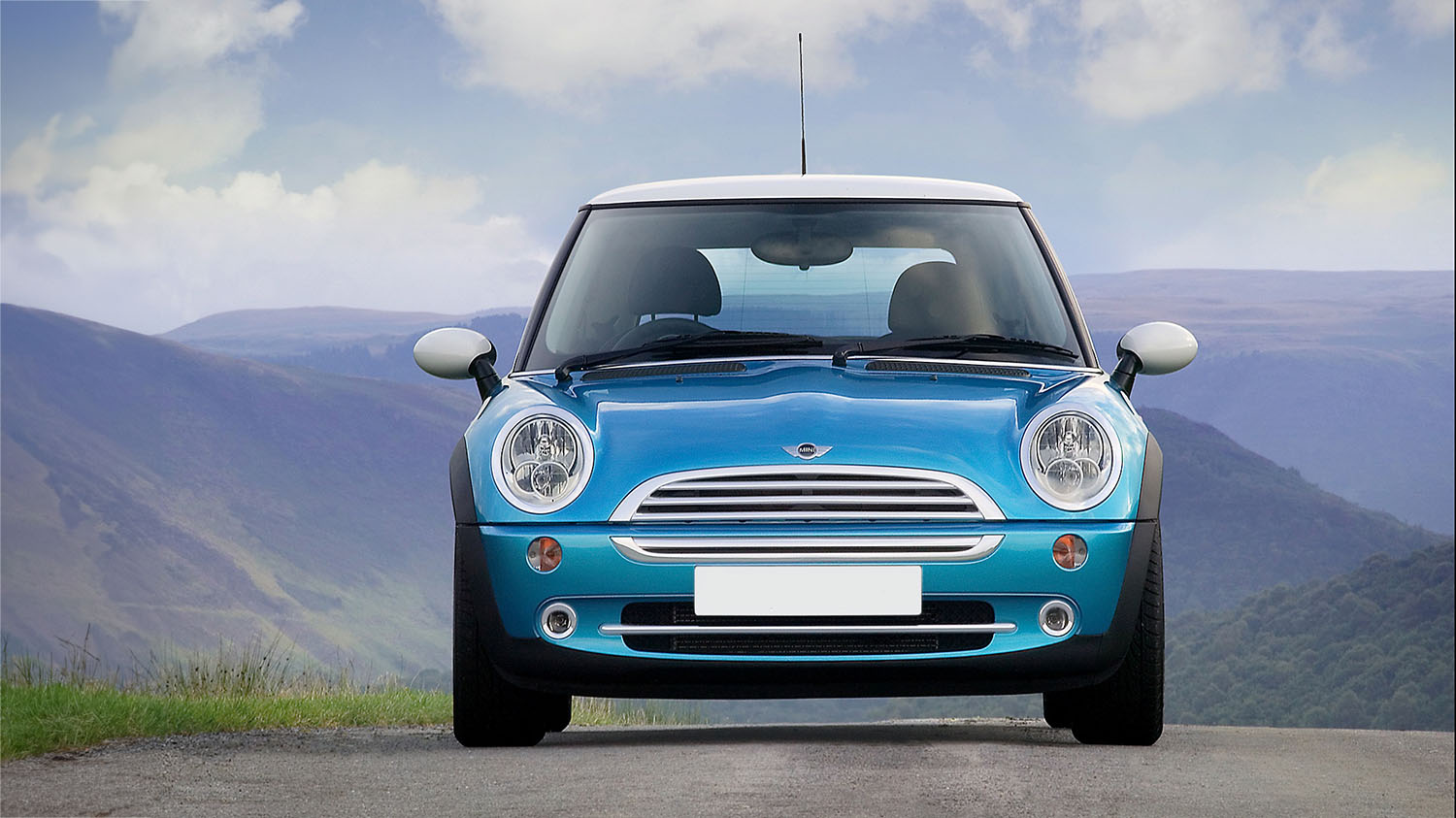
The Mini Hatch family covers the first BMW-era MINI: the R50 One and Cooper hatch, the R53 Cooper S hatch, and the R52 Convertible. It was a modern reinterpretation of the classic Mini rather than a direct replacement: front-wheel drive, compact proportions, strong styling, premium cabin details and sharp handling.
For buyers, the appeal is simple. It feels more special than most small hatchbacks, is entertaining at normal road speeds, and has strong enthusiast support.
The Cooper S is the driver’s pick, thanks to its supercharged engine and more focused chassis, while the One and Cooper are cheaper, simpler and still characterful. The warning is that these are now ageing cars. Buy on condition, service history and evidence of proper repairs, not just colour, wheels or specification.
When was the Mini Hatch produced?
The first-generation modern MINI entered production in April 2001 and went on sale in the UK three months later in July. Production kept going at the Mini Plant Oxford until 2008.
The R50 hatch covered the Mini One and Cooper, while the R53 Cooper S followed in 2002.
Hatch production ended in 2006, but the related R52 Convertible continued until 2008.
For this guide, 2001–2008 covers the complete first-generation R50/R52/R53 family.
Regardless of the model, all were built at MINI Plant Oxford, at Cowley in Oxfordshire, with UK body-panel production at Swindon forming part of the wider MINI production network.
What are the differences between the R50, R52, and R53 models of the Mini Hatch?
The R50, R52 and R53 are BMW’s internal model codes for the first-generation modern MINI, created from 2001 to 2008. They share the same basic platform, but refer to different body styles and engine configurations.
The R50 is the standard hatchback, the R52 is the convertible, and the R53 is the supercharged Cooper S hatchback. All share the same basic platform, but the R53 is the performance model, while the R50 and R52 focus more on everyday usability.
The Mini Hatch R50
These are the 3-door hatchbacks, including the Mini One and Mini Cooper, and were produced from 2001 to 2006.
The R50 covers the standard hatchback in One and Cooper form. It uses BMW and Chrysler’s naturally aspirated 1.6-litre Tritec engine producing between 90hp (One) and 115hp (Cooper), driving the front wheels through a five-speed manual (later Getrag) or CVT automatic gearbox.
This is generally seen as being the best value. It’s fun to drive, lower running costs and cheaper insurance.
The Mini Hatch R52
These are the convertible models, like the Mini One Convertible, Cooper Convertible, and Cooper S Convertible, which were produced from 2004 to 2008.
The R52 is simply the convertible version of the first-generation MINI. It shares most of its mechanical components with the hatchbacks but features a folding fabric roof, additional body strengthening and slightly higher weight. It was available as the One, Cooper and Cooper S, remaining in production until 2008.
Ideal if open-top motoring is the priority, although it’s heavier and less rigid than the hatch.
The Mini Hatch R53
This was also a 3-door hatchback, but is the model name for the Mini Cooper 2, produced from 2002 to 2006.
The R53 refers only to the Cooper S hatchback. Instead of the naturally aspirated engine found in the R50, it uses a supercharged 1.6-litre Tritec engine (Eaton M45 supercharger), producing 163hp in the models created between 2002 and 2004, and 170hp after the 2004 facelift.
This tends to be the enthusiast’s choice. The supercharged engine, sharper handling and stronger performance make it the most collectible and the model values have risen fastest.
What changes were made to Mini Hatch over the years?
The first cars arrived in 2001 as the Mini One and Cooper, both using a 1.6-litre Tritec engine. The One was the entry point; the Cooper had more power and sharper appeal. In 2002, the R53 Cooper S arrived with a supercharged 1.6-litre engine, six-speed manual gearbox and much stronger performance.
In 2003, the diesel Mini One D was added in some markets. A useful facelift followed in 2004, bringing visual updates, cabin tweaks and, importantly, a Getrag manual gearbox in place of the earlier Rover-derived unit. The R52 Convertible also went on sale in 2004 in One, Cooper and Cooper S forms.
Later Cooper S models gained desirable options such as limited-slip differential, and the range was supported by John Cooper Works tuning packages. The most collectible factory model is the 2006 John Cooper Works GP, a two-seat, more powerful limited-run R53. Hatch production ended in 2006, while the Convertible continued into 2008.
What are the common problems with Mini Hatch?
Common issues include power-steering pump failure, cooling system problems, oil leaks, worn suspension bushes, noisy wheel bearings, tired clutches and electrical faults. On Cooper S models, listen for supercharger noise, check service history carefully and look for signs of overheating. High-mileage Cooper S engines can become expensive if poorly maintained.
Early Midlands/Rover manual gearboxes have a weaker reputation than later Getrag units, so check for noisy bearings or difficult selection. CVT automatics can be troublesome and should be approached cautiously unless there is strong evidence of maintenance.
Rust is increasingly relevant, especially around doors, tailgates, panel edges and areas hidden by plastic trim. R52 Convertibles also need checks for roof operation, water leaks and damp carpets. Many cars have been modified, so insurance, quality of work and declared upgrades all matter.
What should I look for when buying a Mini Hatch?
Start with the body and underside. Check the bottoms of the doors, tailgate, wheelarches, sills, rear subframe area, floor edges and anywhere plastic trim meets metal. Look for damp carpets, blocked drains and poor previous paintwork.
Mechanically, insist on a proper service history. Check cooling system health, oil leaks, clutch operation, gearbox noise, suspension wear, brake condition and power-steering pump operation. On a Cooper S, look for evidence of supercharger servicing or replacement, especially on higher-mileage cars.
Avoid badly modified cars unless the work is documented, declared and done properly. A standard, rust-free, well-maintained Cooper or Cooper S is usually the safest buy.
Where does the Mini Hatch tend to rust?
The first-generation Mini does not usually rot like an original classic Mini, but corrosion is now common enough to matter. Check the bottoms of the doors, tailgate around the number-plate lights, rear hatch edges, panel seams, sills, wheelarches and where plastic body trim meets painted metal.
Also inspect the rear subframe, floor edges, fuel-tank area, jacking points and underside fixings. Water ingress can accelerate problems, so damp carpets, blocked drains and sunroof or convertible roof leaks should be investigated properly. Fresh underseal is not proof of good condition; ask what was repaired before it was applied.
Common corrosive areas on the Mini Hatch

Lower door edges

Rear subframes

Number plate recess on rear hatch
Mini Hatch checklist
- All petrol models use versions of the same 1.6-litre ‘Tritec’ engine developed with Chrysler, the One D using a diesel engine supplied by Toyota
- Oil leaks on the petrol engine aren’t unusual and may be down to seals for the crank position sensor, oil pump or even oil pan; given replacing any of these is a big job due to limited engine access many owners accept regular top-ups as a price worth paying
- Plastic dipsticks on earlier cars can snap off inside the engine; metal replacements are a sensible precautionary solution if not already fitted
- Some engine work requires major front-end disassembly and can cost a lot in labour; clutch changes are one example so consider it a win if there’s evidence of this being done recently
- The 100,000-mile ‘supercharger service’ on the Cooper S is another expensive milestone, but the extent of the work means it’s also a chance to replace the auxiliary belt, water pump and other inaccessible parts as a precautionary measure – check the history to see if this has been done
- The distinctive whine from the power steering pump is a characteristic but they can fail and it’s an expensive fix so check for excessive noise or inconsistent feel
- The standard gearbox was a five-speed manual or a sluggish CVT for the automatic, while the Cooper S had a six-speed manual or more conventional six-speed automatic option
- The facelift for the 2005 model year (introduced in 2004) didn’t change the looks dramatically but saw significant improvements under the skin, the less reliable Rover-supplied five-speed manual replaced with a sturdier Getrag one while changes to the Cooper S increased power
- The switch from a two-spoke steering wheel to a three-spoke one is an easy ‘tell’ if you’re browsing adverts for 2004 cars and uncertain as to whether it’s an updated one or not
- Updated cars also address some of the common issues with central locking solenoids and sluggish electric window regulators some earlier cars can suffer from, though at the age they’re now reaching these should be checked anyway
- Stiff suspension and bumpy roads can chew through suspension components or, in some cases, even result in distortion to the strut towers and top mounts in the body – check for pulling to one side or misaligned bolts
- Rust isn’t unknown, with lower door edges, rear subframes and bodywork around the petrol tank vulnerable
How does the Mini Hatch drive?
While the styling paid respectful homage to the original Mini it also drove like one, too. Looks and the fundamental mechanical layout were about the only things it really had in common, mind, the R50 Mini (convertible versions are known as R52s, the Cooper S the R53) using a much more modern chassis with an expensive multi-link rear axle for more sophisticated handling than most hot-hatch rivals with their simple twist-beams.
Stiff suspension, weighty but precise steering and well-balanced controls encourage you to push the Mini hard, just as the original did all those years ago. And it responds in kind, with a modern interpretation of the go-kart handling mantra the brand lives by to this day. This character is there across the board, too, meaning even the entry-level One is fun to drive while the Cooper and Cooper S deliver increasingly meaningful performance.
What’s good about the Mini Hatch?
The modern Mini wasn’t just good to drive – it also felt genuinely premium, and a very different proposition from other hatchbacks in the market. This wasn’t a basic model dressed up with a few nice bits, after all, but a properly posh car. Just smaller. Those looks have aged really well, too, the clean design and exaggerated Mini stance arguably the most convincing of all three modern Mini generations. It carries over to the interior as well, with the classic central speedo reinvented for the modern age and a row of properly tactile rocker switches beneath it.
Original buyers had to dig deeper into their pockets than perhaps they might have first expected but, equipped with the necessary upgrade packs, the Mini felt properly luxurious as well. This meant it was just as good for long, motorway drives as it was around town or being razzed along the lanes – something you’d never have claimed of the original.
What’s bad about the Mini Hatch?
Style, and that handling, came at the price of practicality, and the modern Mini is pretty tight inside for any more than two occupants. If you need a bit more space and usability there are better hot hatch options available, for sure. And while the sporty suspension set-up was a hit, and suited the character of the car, its combination with stiff-walled run-flat tyres meant ride quality could be pretty brutal on rougher roads and put quite a bit of stress through the suspension components and shell.
As the car has aged reliability quirks and some expensive servicing intervals (especially on the Cooper S) mean running a modern Mini can get quite expensive as well, the car’s sophistication inevitably making it a pricier car to run than its simpler rivals.
What do people love about Mini Hatch?
People love the first BMW-era Mini because it feels cheeky, premium and genuinely fun. The steering is quick, the driving position is distinctive and the car has a planted, go-kart feel that made it stand out from ordinary small hatchbacks.
The design is a major part of the appeal. The central speedometer, toggle switches, contrast roof colours and endless personalisation give the car character. The R53 Cooper S adds a supercharger whine and proper hot-hatch pace, without losing the compact feel.
Owners also like the usability. It is small enough for city use, enjoyable on a B-road and supported by a large parts and specialist network. It has personality without being fragile in the way many older classics can be.
Is the Mini Hatch classed as a classic car for insurance?
Many insurers will treat the R50/R52/R53 Mini as a modern classic, especially where it is a second car, garaged, used for limited mileage and kept in good condition. Early cars are now over 20 years old, and the R53 Cooper S in particular has a strong enthusiast following.
It helps that values vary by specification, originality, mileage, condition and modifications. A tidy Cooper S, JCW or GP is not just an old small hatchback; it can be an enthusiast car with a market value that standard insurance may not reflect properly. Daily-driven, heavily modified or poorly kept cars may be treated differently.
How much does it cost to insure a Mini Hatch?
You can insure your Mini Hatch with Goodwood Classic Solutions from just £110 per year. The exact cost will depend on a whole host of factors such as your driving experience and history, how you’ll be using your Mini and how you’ll be storing it, and other factors.
Give our team a call on 01243 913 333 to find out more, or get an online quote now.
How do the condition, modifications and how the Mini Hatch is used affect insurance premiums?
Condition affects value, which then affects how much you’ll need to pay to properly insure your Mini Hatch. A clean, original, low-mileage Cooper S or JCW may need a higher agreed value than an average used Mini, while a rusty or poorly repaired car may be harder to value accurately.
Modifications should be declared when you take out your policy, too, to avoid any issues if you ever do need to make a claim. We offer modification cover here at Goodwood Classic Solutions, so you won’t struggle to get proper cover regardless of the modifications you or previous owners have made.
Use is just as important. Limited weekend use, secure garaging and club ownership can help. Commuting, street parking, high annual mileage, business use or track days usually need specific cover and may increase the premium. We also offer limited mileage discounts, which can cut your premium cost by up to 50% by setting a soft cap on the number of miles you’ll drive your Mini over the year.
Is specialist classic car insurance a good idea for the Mini Hatch?
Yes, especially for a good R53 Cooper S, JCW, GP or low-mileage original car. Specialist cover can offer agreed value, modification cover, limited-mileage discounts and salvage retention. That is useful where the car’s enthusiast value may be higher than a standard insurer’s market valuation.
How easy is it to get hold of parts for the Mini Hatch?
Parts supply is generally very good. Service items, brakes, suspension parts, trim, body panels, tuning parts and used components are widely available through MINI specialists and breakers. Cooper S and JCW-specific parts can cost more, and rare special-edition trim may take longer to source, but routine maintenance is well supported.Who is the Mini Hatch recommended for?
The R50/R52/R53 Mini is ideal for buyers who want a usable modern classic with character, strong parts support and genuinely enjoyable handling. A Cooper suits style-led buyers who want lower running costs; a Cooper S suits those who want a proper hot hatch; the Convertible suits open-air weekend use.
It is less suitable for anyone who wants maximum practicality, a soft ride or risk-free cheap motoring. Buy carefully: the best cars are charming and robust, but neglected ones can become expensive quickly.
What are the most popular specifications for Mini Hatch?
For enthusiasts, the R53 Cooper S manual is the standout specification. It has the supercharged engine, stronger performance and a more focused character than the One or Cooper. Cars with John Cooper Works upgrades, limited-slip differential, good history and original condition are especially desirable.
The Cooper is a good middle ground: cheaper to buy and insure than the Cooper S, but livelier than the One. The One can still make sense as an affordable, stylish modern classic, particularly if it is clean and unmodified.
Convertible buyers usually favour the Cooper or Cooper S. As ever, condition matters more than badges.
Which model of Mini Hatch to choose?
Given they all drive well it’s a question of what kind of journeys you’ll be doing and the kind of character you’re after. Diesel may not be fashionable these days but the One D has comparable performance to the regular One but also excellent long-distance refinement and economy. Pared back to its fundamentals the One with its 90PS (66kW) engine demonstrates just how good the basic car is and, given it’s not actually that much slower than the regular Cooper, has an understated appeal. Just make sure the original buyer paid for the desirable Salt and Pepper packs to equip it with the creature comforts you’d expect.
With its supercharger whine, 170PS (125kW) output and more up-for-it character we can’t help but be seduced by the Cooper S, though. This is a proper hot-hatch and a potent little thing, the more so if you get a post-2004 Chilli Pack one with the optional limited-slip differential or can find one with the John Cooper Works package and significantly upgraded performance.
Specifications – Mini Cooper S (R53, 2005 model year)
Engine
1.6-litre four-cylinder petrol, supercharged
Power
170PS (125kW) @ 6,000rpm
Torque
220Nm (162lb ft) @ 4,000rpm
Transmission
Six-speed manual/six-speed auto, front-wheel drive
Kerb weight
1,215kg
0-62mph
7.2 seconds
Top speed
138mph
Production dates
2001-2006 (entire production)