BUYER’S GUIDE
Ferrari 330 GT 2+2/GTC/GTS review
Gaining in popularity and with a broad range of looks, 330s offer another route into a classic ’60s V12 Ferrari…

Engine
4.0-litre V12 petrol
Power
300PS (221kW) @ 7,000rpm
Torque
N/A
Kerb weight
1,300kg (dry)
0-62mph
N/A
What Is It?
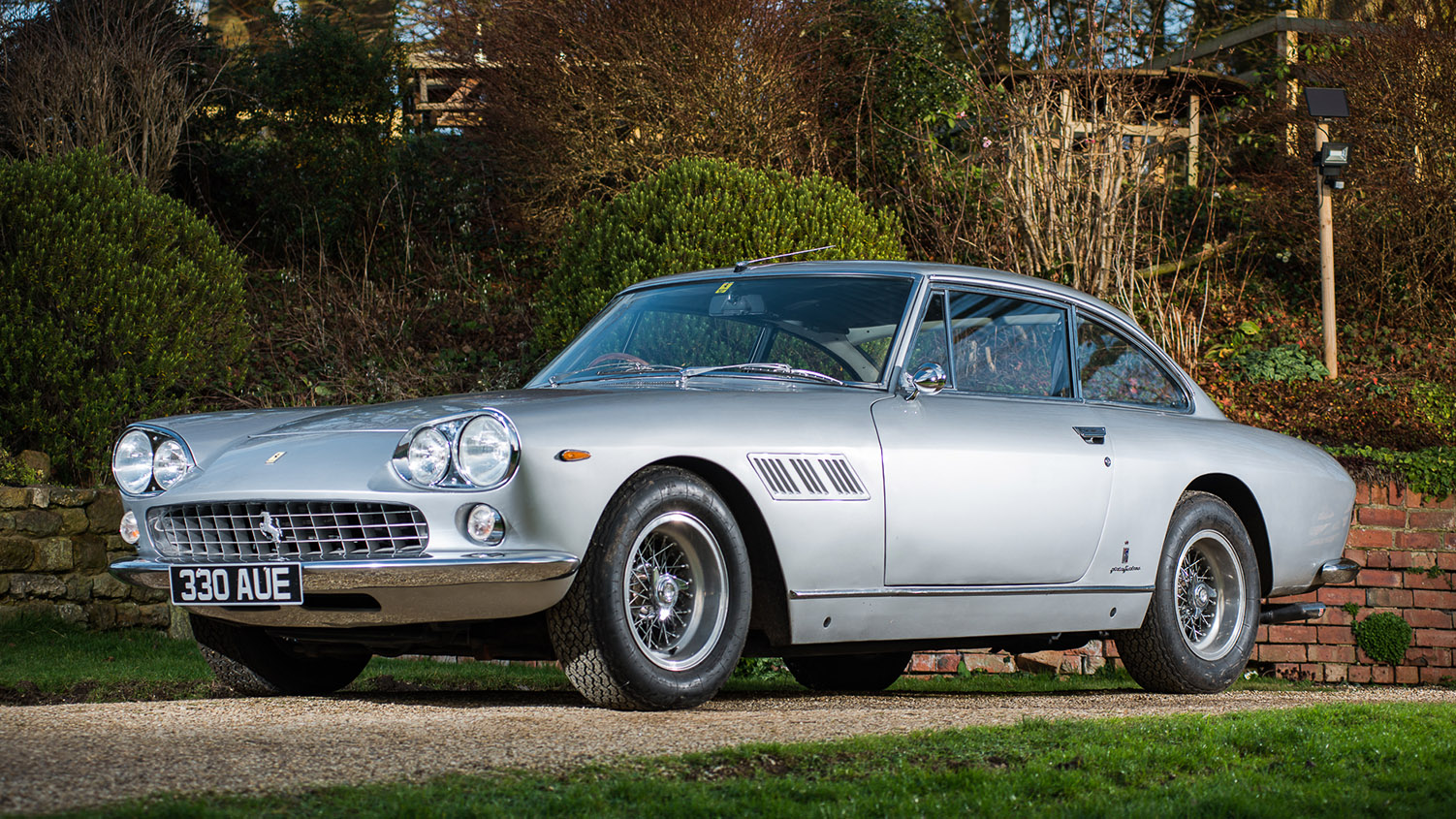
A line of five distinct 1960s Ferraris, united by a common name and shared ‘long-block’ 4.0-litre version of the classic Colombo V12, the story started with a short run of 330 Americas resembling the 250 GT/E and running the bigger engine. This then evolved into two series of 330 GT 2+2, joined in 1966 by the 330 GTC and convertible GTS. While these shared a name and engine, they were mechanically quite different, with shorter wheelbases, transaxle gearboxes and independent rear suspension based on the more widely recognised 275 GTB.
If perhaps not as celebrated as the earlier 250s, the 330s are gaining popularity and offer a surprisingly broad range of looks and character, even under the shared badge and engine. While it’s hardly bargain priced, a 330 is a vaguely more affordable route into a classic ‘60s V12 Ferrari.
Corrosive Areas

Sills

A-pillars

Rear arches
Checklist
- Road car lineage began with the 330 America version of the 250 GT 2+2 fitted with enlarged 4.0-litre Colombo V12, with just 50 or so built
- This evolved into the full production 330 GT 2+2 in 1964 with a ‘long-block’ version of the V12 and traditional live-axle chassis
- Series I 2+2s obvious by their distinctive quad-headlight arrangement, later examples upgrading from a four- to five-speed gearbox
- Series II adopted the arguably more elegant and traditional single-headlight look, with a standard five-speed gearbox
- Floor mounted pedals swapped to more conventional top-hinged configuration for Series II
- 330 GTC and GTS (or Spider) launched in 1966, sharing the same Tipo 209 long-block V12 but based on the transaxle running gear and shorter wheelbase of the 275 GTB
- Like the 2+2 the GTC and GTS had disc brakes all round but more sophisticated independent rear-suspension, again shared with the 275 GTB
- Most Series II 2+2s, GTCs and GTSs originally came on 10-hole centre-lock alloys, though Borranis were an option and are often added by owners down the line
- Production totalled around 1,000 2+2s of both series, just shy of 600 for the GTC and a mere 100 or so GTS versions
- Colombo V12 well understood and reliable when properly maintained and used
- Poor care can prove costly, blue smoke often down to worn valves and/or poor carb balancing — also check for any evidence of overheating
- Check for whining or balky shifting from transaxle gearbox in GTC and GTS
- Check thoroughly for paint condition and signs of historic crash damage or bodged repairs
- Originality, history and matching numbers provenance prized; Ferrari Classiche certification adds value
- Beware GTCs converted into Spiders
How does it drive?
With their torquey 4.0-litre engines, synchro gearboxes and all-round disc brakes, all 330s are a step on from the 250s in terms of handling and road manners. Heavy low-speed steering is the only real practical concern, though some later 2+2s did have power assistance in period and some may have been subsequently upgraded. With its conventional gearbox layout, live rear axle and longer wheelbase, the 2+2 is decidedly more grand tourer in its aspirations, albeit a fast one more than capable of matching a DB-series Aston Martin.
The GTC and GTS are much sportier cars, with shorter wheelbases, all-independent suspension, better weight distribution from the transaxle layout and the classic click-clack gated gearshift. All are as delightful, evocative and charismatic as you might hope of a ‘60s Ferrari, each with its own character and appeal suiting subtly different tastes.
What’s good?
Any ‘60s Ferrari with a Colombo V12 is off to a winning start over its contemporaries in performance and charisma, the 330s in all their guises benefitting from the extra flexibility of their additional displacement but still racier and more exotic than rivals. The American influenced quad-headlight style of the Series I 2+2 is a more individual taste than the conventionally elegant single-headlight configuration on the others, but all are beautiful in their own right.
The extra space of the 2+2 means you can share the fun with family and friends, the GTC and GTS are spacious and comfortable enough for an extended tour for two with plenty of luggage space. While hardly what you’d call cheap, 330s (rarer Spider aside) have stayed the right side of seven figures and, all things relative, look just about attainable. Values for the good ones are only going to go one way, too.
What’s bad?
‘Generic’ would be a harsh description of the looks but it’s fair to say you need to know your Ferraris to tell your 330 from your Superfast or later 365, meaning outside of the knowing crowd you may tire of explaining what it is. That’s about the worst you can say of the image, though!
Beyond that it’s the usual story of due diligence to pick the good examples from bad, bodged repairs, dodgy conversions (beware ‘chopped’ GTCs made into Spiders) and cars that present well but with hidden horrors beneath the shiny paint. The days of buying a bargain and recovering restoration costs through rising values have probably passed, too.
Which model to choose?
The quad-headlight Series I is an acquired taste aesthetically but none other than John Surtees was a huge fan after running one as his ‘company car’ when driving for Ferrari, something you can tell anyone doubting your choice! It’s also the most affordable, all relative.
The more elegant Series II 2+2 probably has wider appeal and is a wonderful grand tourer in the classic ‘60s style. So much for the head — the heart will probably have you hankering for the sportier GTC and its perfect balance of 275 GTB handling in a more all-round package. Collectors will prize the rarity of the limited production GTS Spider, and it’s an undeniably beautiful car. On balance, a 330 GTC in anything other than red feels the nicest all-round package, though.
Specifications – Ferrari 330 GTC
Engine
4.0-litre V12 petrol
Power
300PS (221kW) @ 7,000rpm
Torque
N/A
Transmission
Five-speed manual, rear-wheel drive
Kerb weight
1,300kg (dry)
0-62mph
N/A
Top speed
150mph
Production dates
1963-1967 (330 GT 2+2), 1966-1968 (330 GTC/GTS)