BUYER’S GUIDE
Porsche 911 Turbo (930) review
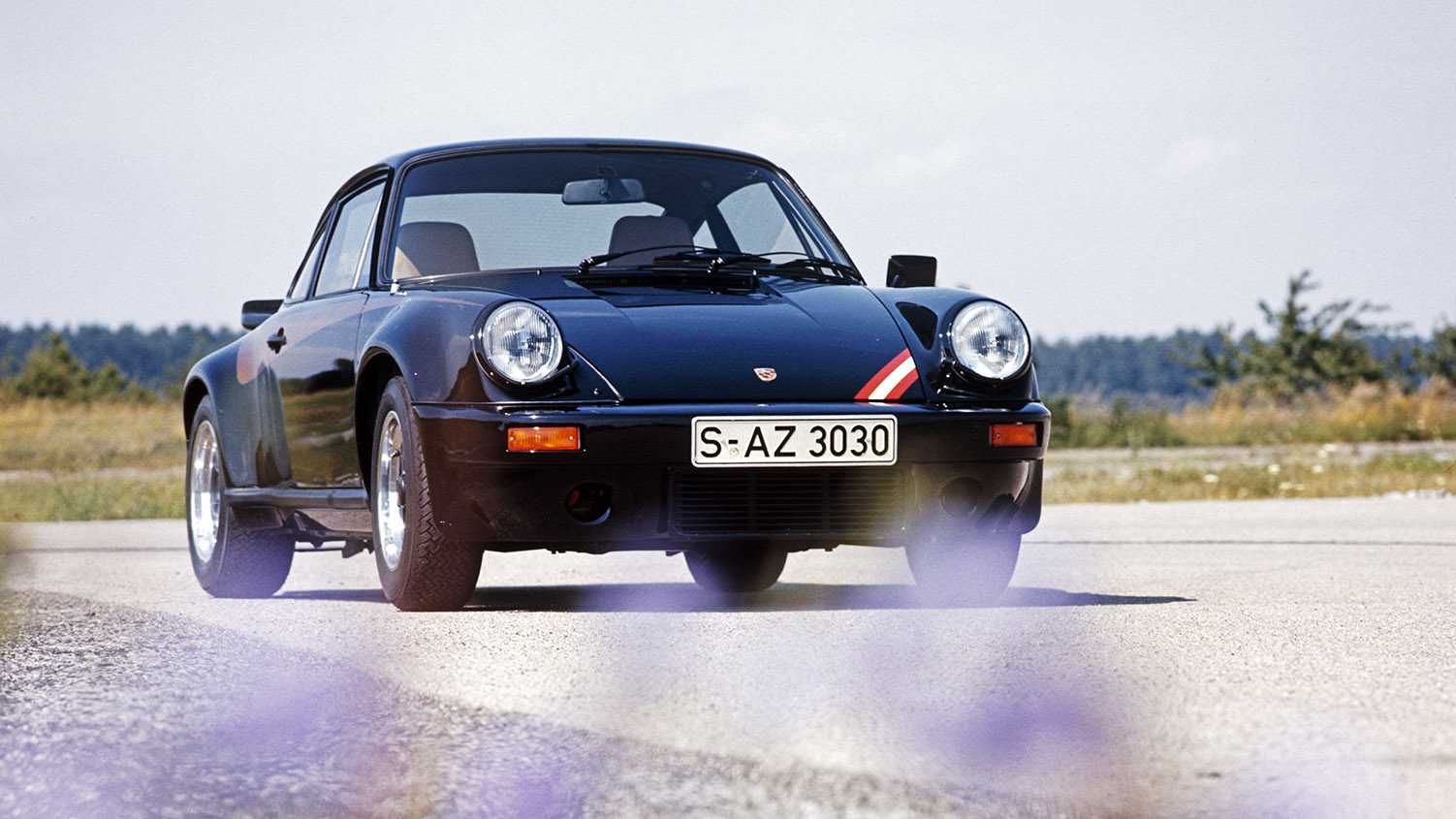
Porsche took lessons learned with turbocharging from the racetrack to the road and the rest is history!

Engine
3.3-litre six-cylinder petrol
Power
300PS (221kW) @ 5,500rpm
Torque
430Nm (317lb/ft) @ 4,000rpm
Kerb weight
1,335kg DIN
0-62mph
5.4 seconds
What Is It?
As much a cultural icon as it is an automotive one, the 911 Turbo (or 930 to its friends) grew into a symbol of 1980s yuppie excess but has roots going back a lot further. Predictably for Porsche these start in motorsport, and the desire to celebrate racing success with forced induction in a road car that could itself form a basis for further homologation.
In short order this was teased with the RSR Turbo concept in 1973, built into a 911-based prototype that took second overall at Le Mans in 1974 and then revealed as a production 911 Turbo road car later the same year. Having proven the dominance of turbocharging in racing this did the same for road cars, its giant-killing performance more than a match for contemporary exotica and still impressing to this day. Combine that with the iconic big-winged, flared-arch styling and the result is a car as distinctive in looks as it is driving manners, the dark side of spiky on-limit handling only adding to the legend.
Corrosive Areas

Sills and floor

B-pillar ‘kidney bowls’

Front and rear arches
Checklist
- Complicated motorsport inspiration runs through turbocharged Can-Am 917s and into the 1974 Group 4 911 RSR Turbo 2.1, raced successfully against prototypes and setting the tone and wide-arched aesthetic for the road cars that followed
- Turbo No.1 was a narrow-body prototype with a 2.7-litre engine gifted to Ferry Porsche’s sister Louise Piëch shortly before the production car’s debut in the autumn of 1974
- With a turbocharged 3.0-litre engine, whaletail spoiler and new widebody look this was christened 930 to distinguish it from regular 911s
- 1978 model year introduced changes significant enough for Porsche to consider this the second-generation of Turbo
- These included a 3.3-litre engine, new air-to-air intercooler integrated into a new ‘tea tray’ rear wing distinguished by the raised lip running around its circumference and power increase to 300PS (221kW)
- While upgraded over following years the Turbo survived in this basic form through to end of production in 1989
- WerksLeistungSteigerung (or WLS) package developed for 1983 took power to 330PS (243kW), distinguished by quad exhausts, front-mounted oil cooler, sill trims and side intakes, sometimes also referred to as X33 kit
- This upgrade also featured in the flatnose or ‘Flachbau’ introduced in 1987 and is highly desirable to this day — if paying over the odds for one, check it’s original and not a later conversion
- Turbo Cabriolet and Turbo Targa also launched at this time and are very of the period, though probably less desirable to purists than the classic coupe shape
- WLS package also the basis for the (non-flatnose) runout Turbo LE, of which just 50 were thought to have been built — again check originality before paying a premium for one presenting as such
- All but final year of production used the familiar four-speed 915 transmission, which is tough but check for seriously awkward shifts suggesting pending rebuild
- Last cars got the five-speed G50 gearbox, and desirable for both rarity and improved driveability
- Engines and transmissions well-understood and proven with familiar quirks but the extra power can raise additional problems like broken head studs — check for ‘blowing exhaust’ sound on acceleration
- Blue smoke can point to failing turbo, among other things!
- Oil leaks another warning sign of potential engine trouble
- Worn suspension can manifest as looseness or vague handling so look out for knocks or clonks
- Though galvanised 911 shells contain familiar (and known) rust traps so check thoroughly for corrosion and historic crash damage
- Rust around door locks on body can point to corroded ‘kidney bowls’ in B-pillar — a known but expensive issue to resolve
How does it drive?
The nothing-nothing-EVERYTHING power delivery of the laggy turbocharged engine and the 911’s traditionally unsympathetic response to panicked mid-corner lifts were a lethal combination, catching many out back in the day and a big part of Turbo legend. In truth it’s all part of the magic of driving a 911, and once you dial into it becomes the Turbo’s secret weapon. Just remember, if you’re committing to the boost you need to ride it out and never, ever lift! Properly set up and on modern tyres this is all a lot less scary than it might sound to the uninitiated, the 911’s compact size, positive steering, strong brakes and communicative controls all making it hugely entertaining long before things get too spicy. Closer ratios on the later five-speed help driveability and mitigate the laggy response, but for many that’s part of the 911 Turbo’s magic!
What’s good?
The 930 has everything that makes a regular 911 such a great classic to live with, just with a heap more performance. It’s compact on the road, visibility is great, the seats in the back are enough to cram in the kids or stash luggage for an extended road trip away, and for a car of its age it’s fast, refined and very usable. The backstory of the Turbo’s links to Porsche’s racing history is endlessly fascinating, and writ large in the wide-arched looks that make it such an iconic road car also.
Whether leaning into the ‘70s kitsch of the earlier 3.0-litre cars or ‘80s excess of the later 3.3s, it’s also a car so recognisable and significant you’ll never tire of the looks. While hardly cheap these days, the fact it was built in relatively large numbers should keep all but the desirable specials from disappearing into the stratosphere price-wise, too. There’s also a huge network of knowledgeable specialists, expertise and parts to support any restoration or maintenance needs.
What’s bad?
Poster car status for generations of petrolheads guarantees popularity but brings with it opportunities for less scrupulous sellers and traps for unwary buyers. So, always buy on condition and with eyes open to potentially expensive issues like corrosion, crash damage and mechanical rebuilds. As ever, cars that can present well superficially can hide all manner of horrors, so check history thoroughly, demand evidence of any restoration work and make sure all the documentation adds up. If paying the extra for desirable models like in-period WLS upgrades, flatnoses or run-out Turbo Les, make sure the car is what it claims to be and not a retrospectively modified or upgraded car. It’s not necessarily an issue if done properly and declared as such but just be sure of what you’re getting into.
Which model to choose?
This side of the truly collectable versions like cars with the in-period WLS package, SE flatnoses or run-out Turbo LE models, your biggest decision is going to be between early 3.0-litre examples and the post-1978 3.3-litre configuration that basically lasted until the Turbo went out of production in 1989. The 3.0-litres have relative rarity, originality and purity of purpose on their side, which does tip them into collector territory against the more plentiful 3.3s.
If you’re after a car to drive and enjoy this offers a wider pool to choose from, the extra power and incremental improvements as the years went by making them steadily easier to live with without diluting the core character one bit. Late models with the five-speed gearbox are both coveted for rarity and driveability, ticking both boxes if budget allows. As ever, find the best example you can afford and take your time — there are enough to choose from that you can afford to be fussy!
Specifications – 911 Turbo 3.3
Engine
3.3-litre six-cylinder petrol
Power
300PS (221kW) @ 5,500rpm
Torque
430Nm (317lb/ft) @ 4,000rpm
Transmission
Four-/five-speed manual, rear-wheel drive
Kerb weight
1,335kg DIN
0-62mph
5.4 seconds
Top speed
161mph
Production dates
1974-1990 (total production, all variants)